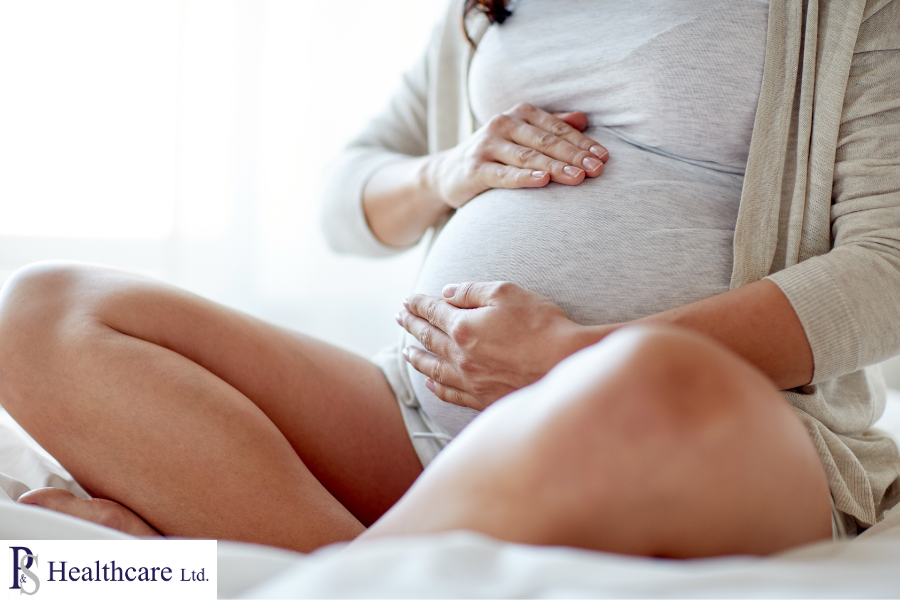
 Bladder control can be a common concern during pregnancy, as the growing uterus puts extra pressure on the bladder. This can lead to more frequent trips to the bathroom and occasional leaks. Fortunately, there are several effective strategies to help manage these challenges. In this article, we’ll share the top 10 tips to improve bladder control during pregnancy, ensuring you can stay comfortable and confident throughout this special time. And don’t forget to download our useful infographic at the bottom of this article.
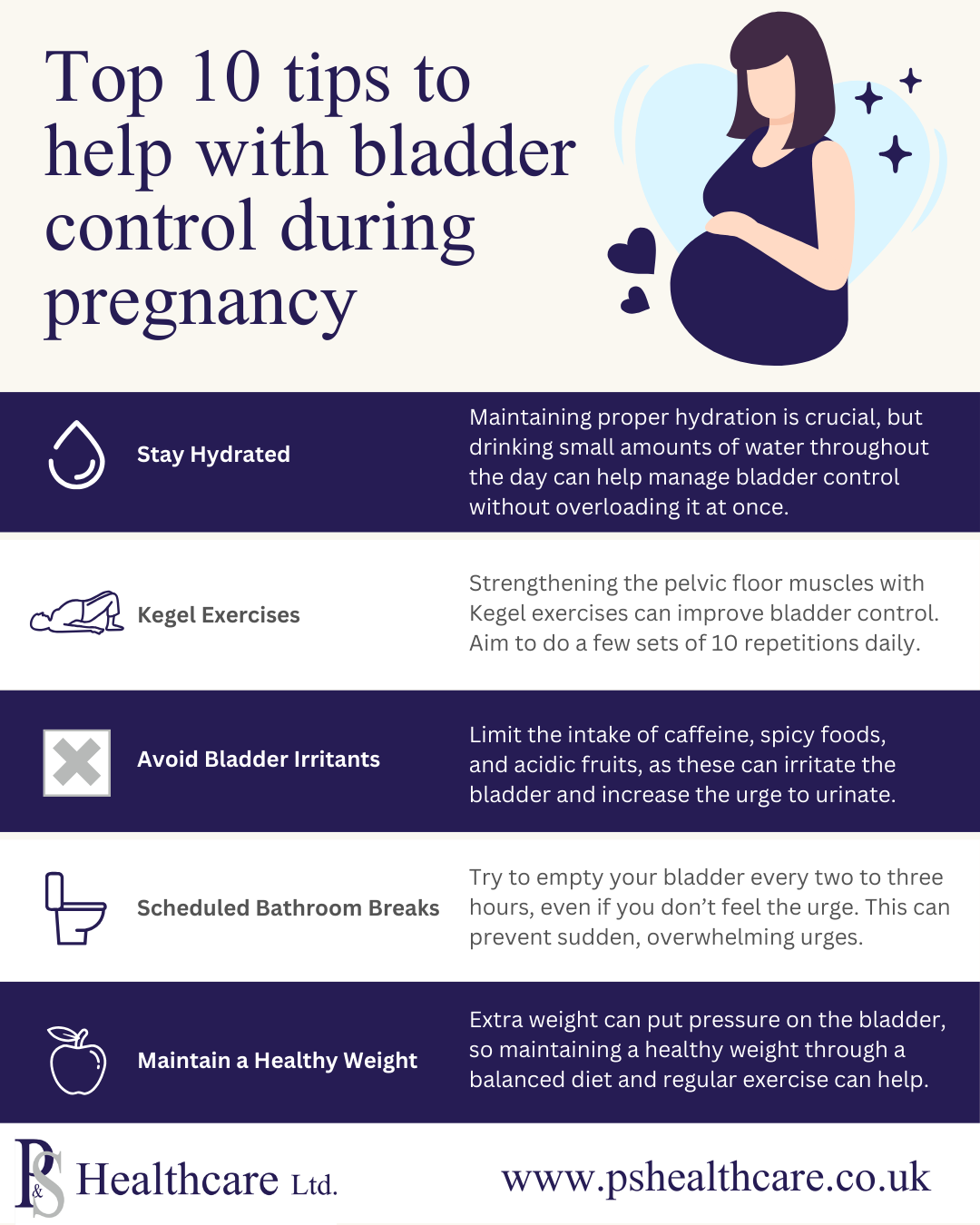
Stay Hydrated
Maintaining proper hydration is crucial, but drinking small amounts of water throughout the day can help manage bladder control without overloading it at once.
Kegel Exercises
Strengthening the pelvic floor muscles with Kegel exercises can improve bladder control. Aim to do a few sets of 10 repetitions daily.
Avoid Bladder Irritants
Limit the intake of caffeine, spicy foods, and acidic fruits, as these can irritate the bladder and increase the urge to urinate.
Scheduled Bathroom Breaks
Try to empty your bladder every two to three hours, even if you don’t feel the urge. This can prevent sudden, overwhelming urges.
Maintain a Healthy Weight
Extra weight can put pressure on the bladder, so maintaining a healthy weight through a balanced diet and regular exercise can help.
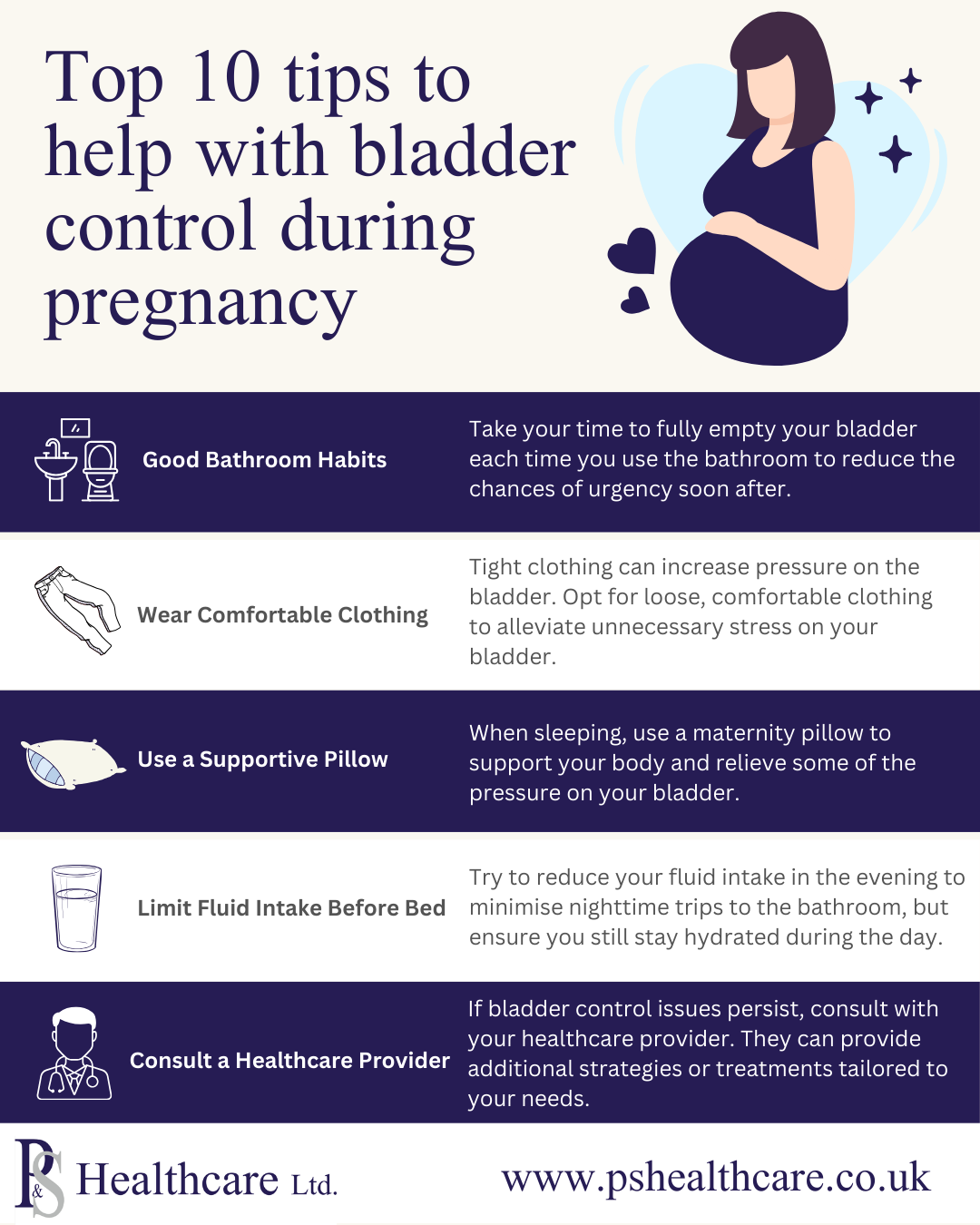
Good Bathroom Habits
Take your time to fully empty your bladder each time you use the bathroom to reduce the chances of urgency soon after.
Wear Comfortable Clothing
Tight clothing can increase pressure on the bladder. Opt for loose, comfortable clothing to alleviate unnecessary stress on your bladder.
Use a Supportive Pillow
When sleeping, use a maternity pillow to support your body and relieve some of the pressure on your bladder.
Limit Fluid Intake Before Bed
Try to reduce your fluid intake in the evening to minimise nighttime trips to the bathroom, but ensure you still stay hydrated during the day.
Consult a Healthcare Provider
If bladder control issues persist, consult with your healthcare provider. They can provide additional strategies or treatments tailored to your needs.
Managing bladder control during pregnancy doesn’t have to be overwhelming. By following these simple tips, from practicing Kegel exercises to maintaining a healthy weight, you can effectively reduce bladder pressure and avoid unnecessary discomfort. Remember, if bladder control issues persist, don’t hesitate to consult your healthcare provider for additional support and guidance.
Click to download our Infographic below:
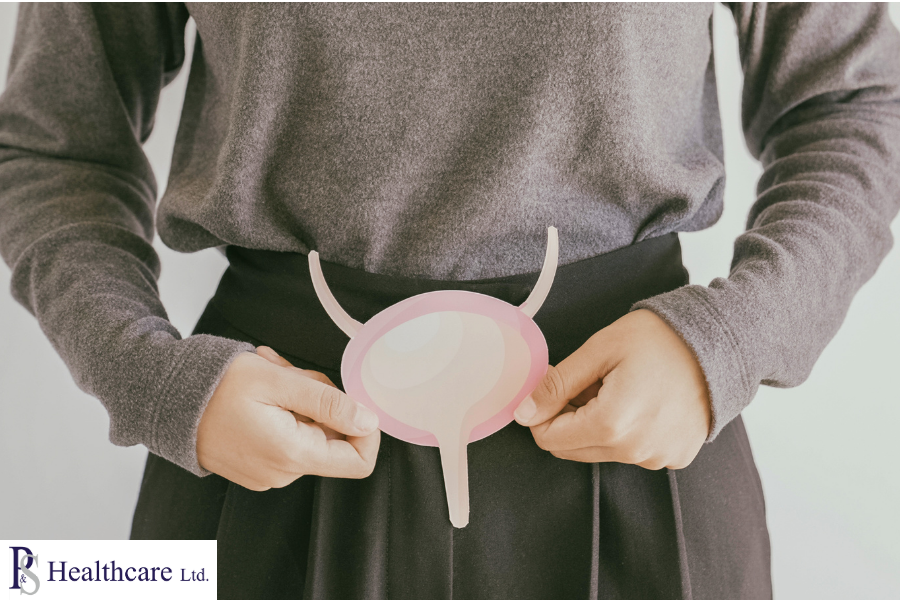
 Bladder leaks, or urinary incontinence, are a common challenge that can affect people of all ages. Whether caused by aging, childbirth, or certain medical conditions, it can be an uncomfortable and sometimes embarrassing issue. However, the good news is that there are simple, practical ways to manage and even reduce bladder leaks. In this article, we’ll explore ten effective strategies that can help you regain control and confidence, allowing you to live without the constant worry of leaks disrupting your daily life.
 Website by Cerebral Agency Ltd