

 Incontinence is a condition that affects millions of people around the world, but despite its prevalence, there are many myths and misconceptions surrounding it. These misunderstandings can lead to unnecessary embarrassment, improper care, and even the avoidance of seeking treatment. At P&S Healthcare, we believe in providing clear, factual information to help those affected by incontinence better understand their condition and take control of their health. In this article, we’ll separate the myths from the facts and shed light on the truth about incontinence.
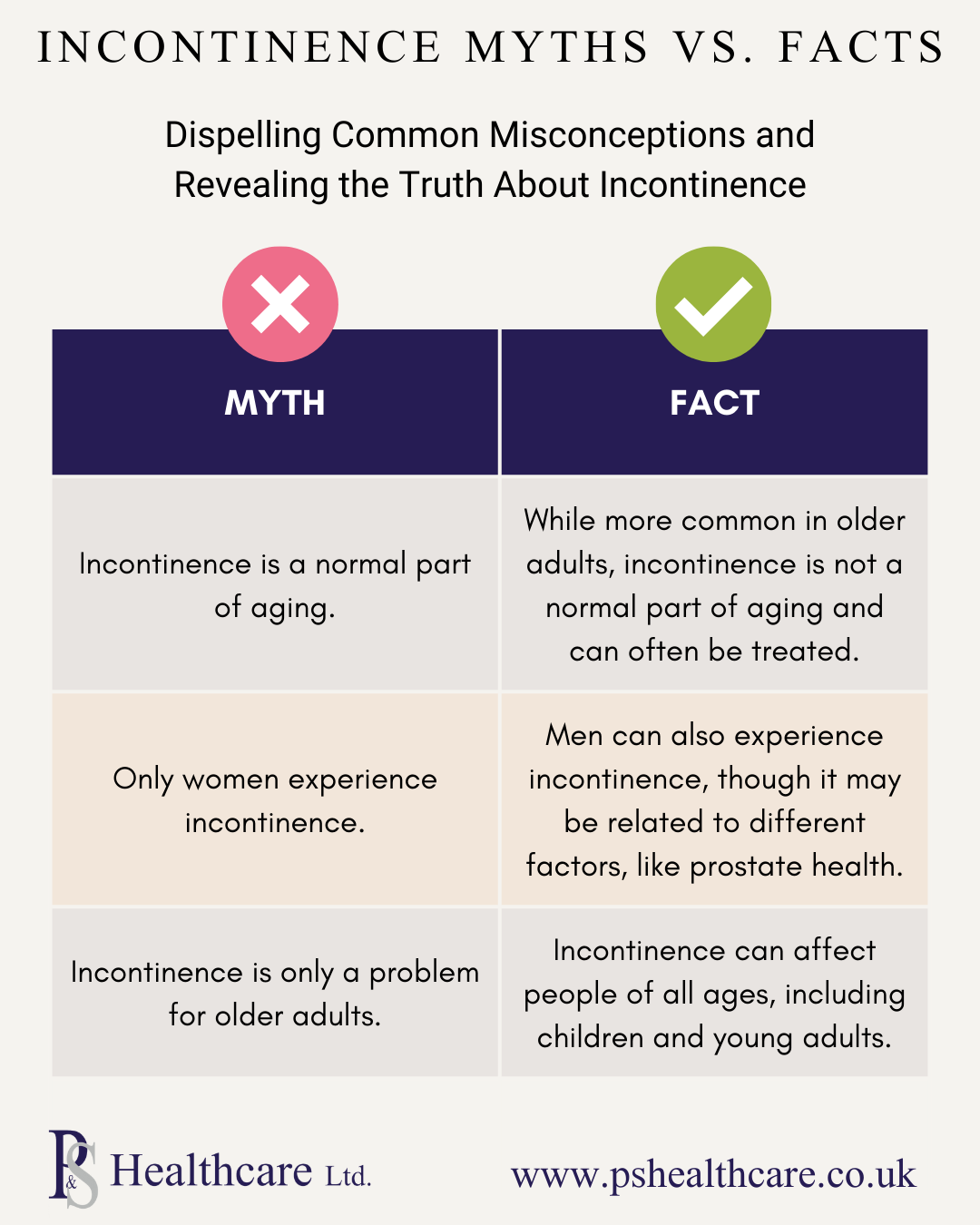
Myth: Incontinence is a normal part of aging.
Fact: While incontinence is more common among older adults, it is not an inevitable part of the aging process. Many older adults live their lives without experiencing incontinence, and for those who do, there are often underlying causes that can be treated. Whether the issue is related to pelvic floor dysfunction, medication, or other health conditions, it’s important to understand that incontinence is treatable at any age.
Myth: Only women experience incontinence.
Fact: Incontinence is not just a women’s issue. While women are more likely to experience certain types of incontinence, such as stress incontinence after childbirth, men can also be affected. In men, incontinence is often linked to prostate health, but other factors can contribute as well. It’s essential to recognise that incontinence can impact both men and women and seek appropriate treatment accordingly.
Myth: Incontinence is only a problem for older adults.
Fact: Incontinence is not exclusive to older adults. It can affect people of all ages, including children, teenagers, and young adults. Bedwetting in children (nocturnal enuresis), stress incontinence in young athletes, and postpartum incontinence in new mothers are just a few examples. Addressing incontinence early with proper care and treatment is crucial, regardless of age.
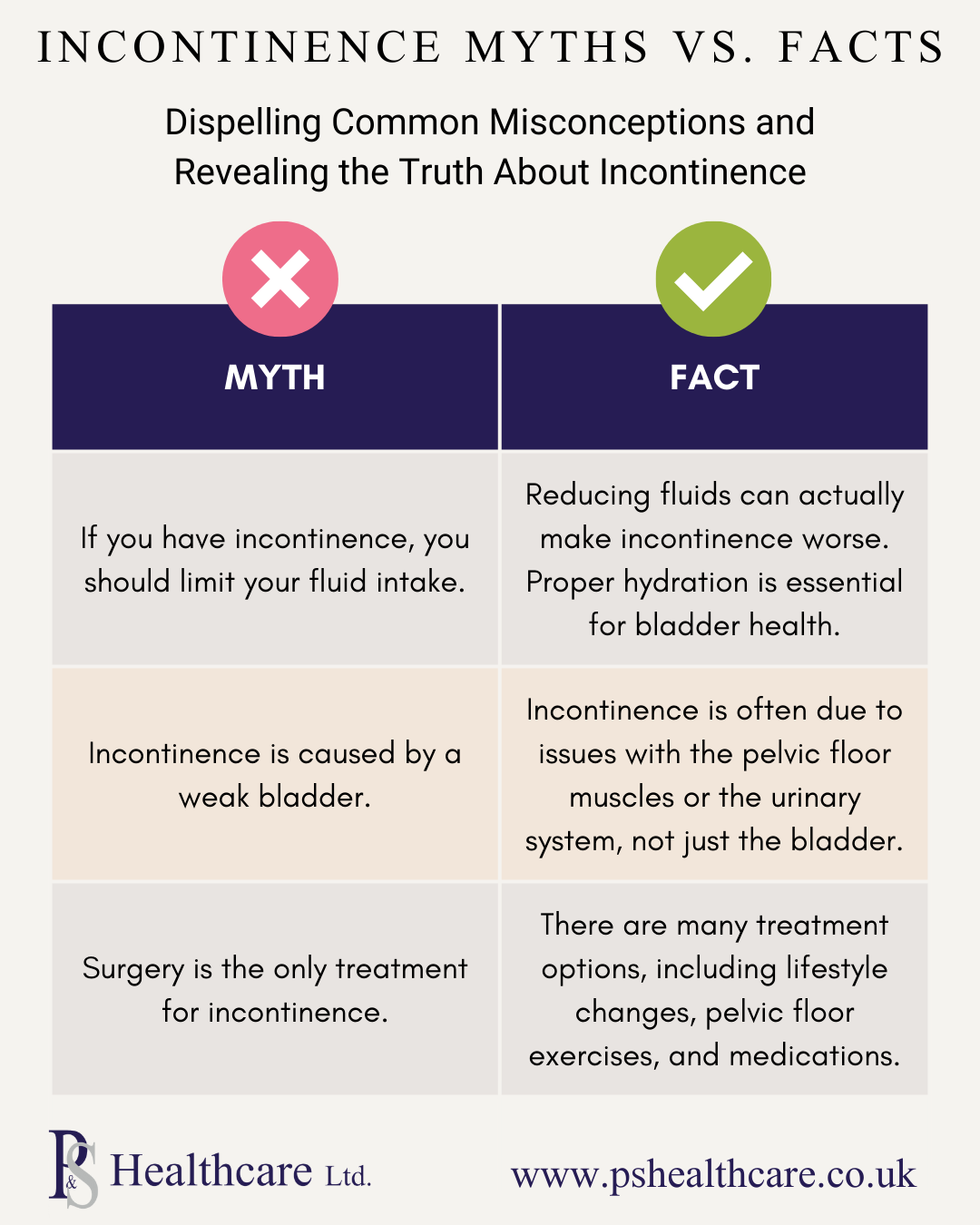
Myth: If you have incontinence, you should limit your fluid intake.
Fact: Reducing your fluid intake can actually worsen incontinence. Staying properly hydrated is essential for bladder health, and dehydration can irritate the bladder, leading to more frequent or urgent trips to the bathroom. It’s important to maintain a healthy balance of fluid intake and avoid excessive consumption of bladder irritants like caffeine and alcohol.
Myth: Incontinence is caused by a weak bladder.
Fact: Incontinence is rarely the result of a “weak bladder.” It is often caused by issues with the pelvic floor muscles or problems within the urinary system. Conditions like weakened pelvic floor muscles, nerve damage, or overactive bladder can lead to incontinence. Strengthening the pelvic floor through exercises or seeking medical treatment for underlying causes can help manage and reduce symptoms.
Myth: Surgery is the only treatment for incontinence.
Fact: Surgery is just one of many treatment options for incontinence, and it is typically considered only after other methods have been explored. Lifestyle changes, such as diet modifications, pelvic floor exercises (like Kegels), medications, and physical therapy can all be effective treatments. Consulting with a healthcare professional will help identify the best treatment plan based on the individual’s specific condition.
Take Control of Your Health with Accurate Information
Incontinence is a common condition, but it is surrounded by myths that can prevent people from seeking the care they need. Understanding the facts is the first step toward managing incontinence effectively. At P&S Healthcare, we are committed to helping individuals take control of their health by providing high-quality incontinence products and trusted information. If you or a loved one are experiencing incontinence, remember that it’s a treatable condition, and with the right approach, you can improve your quality of life.
For more information on managing incontinence or to browse our range of reliable incontinence products, visit our website or speak to a healthcare professional today.
Click to download our handy infographic:

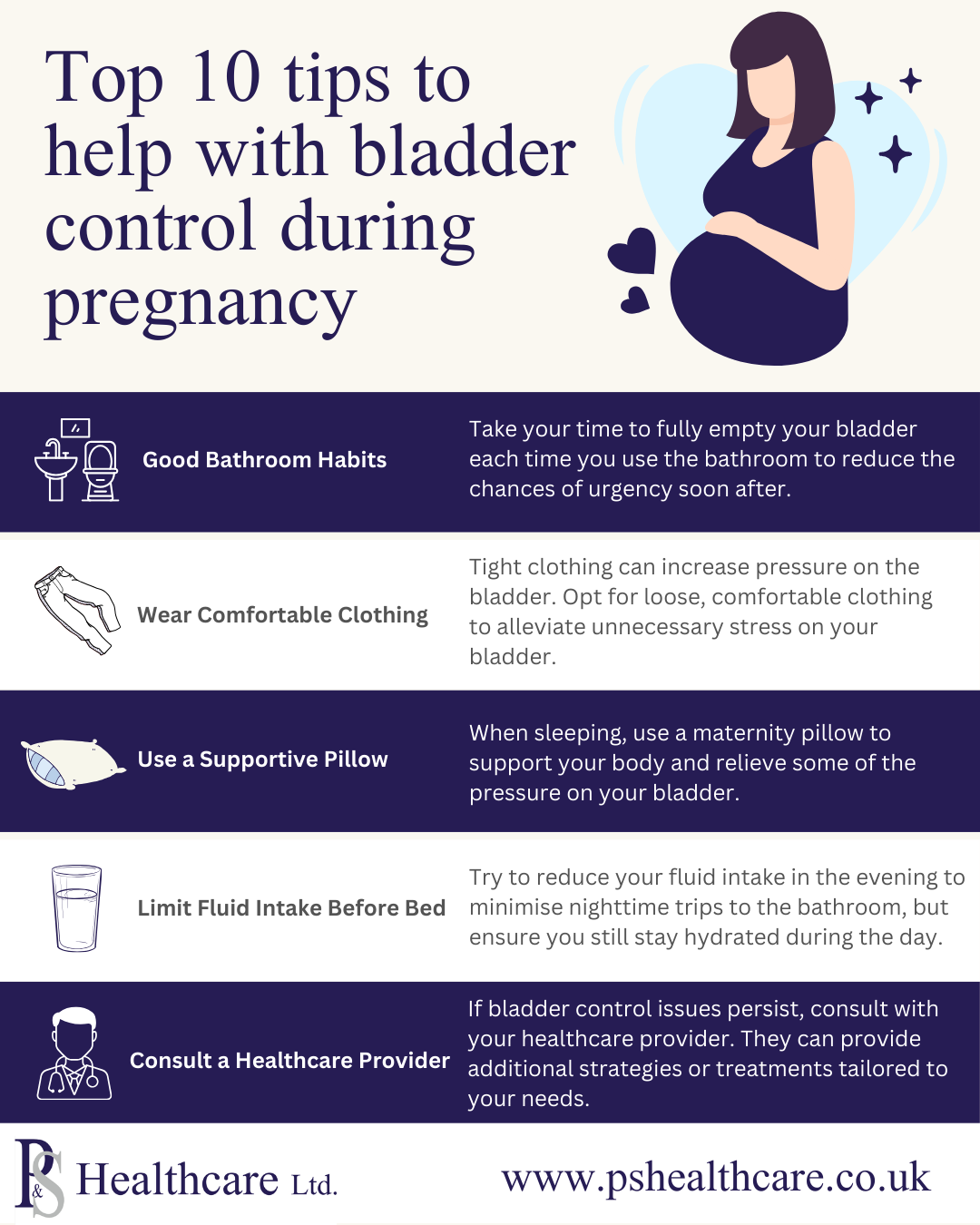
 Bladder control can be a common concern during pregnancy, as the growing uterus puts extra pressure on the bladder. This can lead to more frequent trips to the bathroom and occasional leaks. Fortunately, there are several effective strategies to help manage these challenges. In this article, we’ll share the top 10 tips to improve bladder control during pregnancy, ensuring you can stay comfortable and confident throughout this special time. And don’t forget to download our useful infographic at the bottom of this article.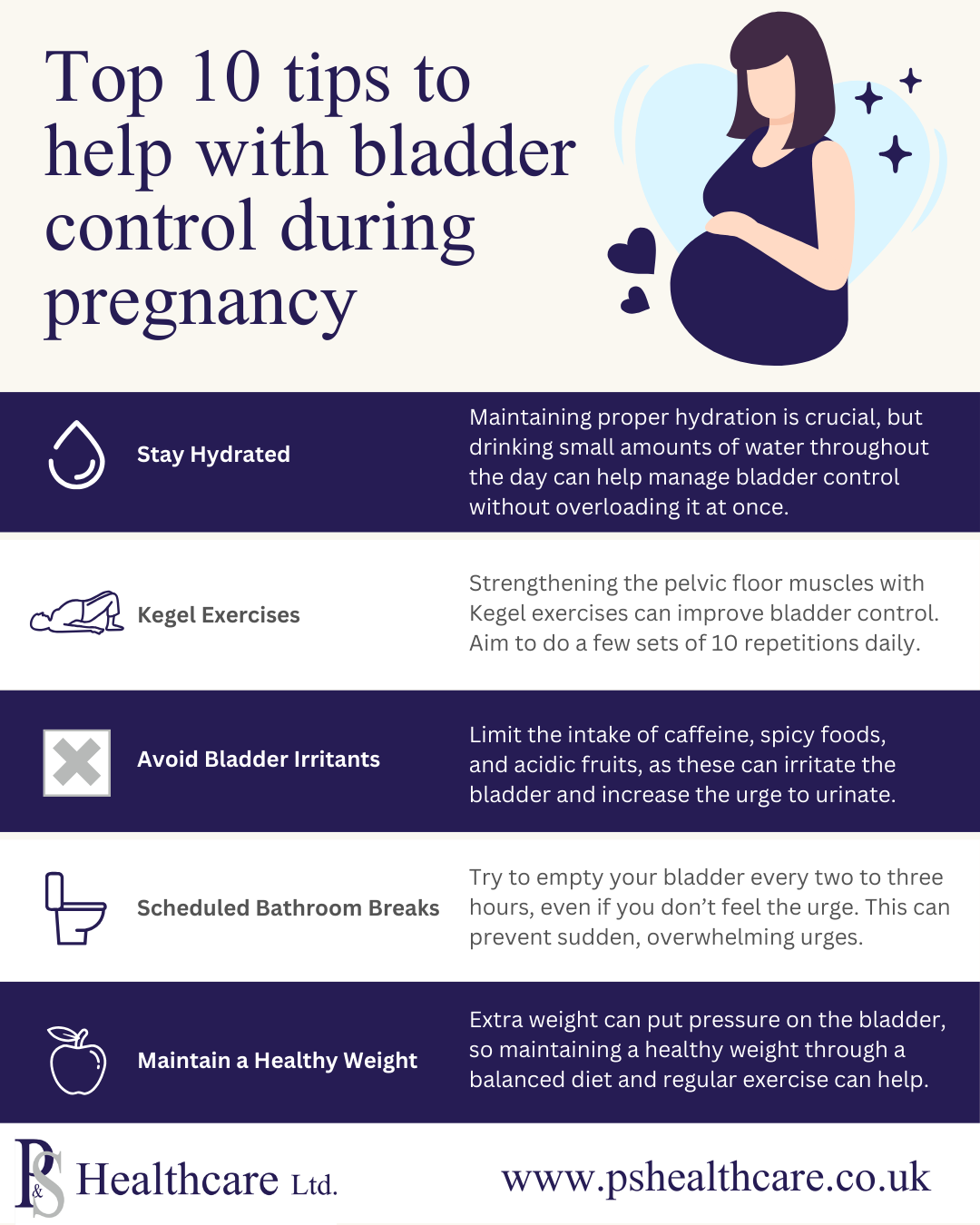
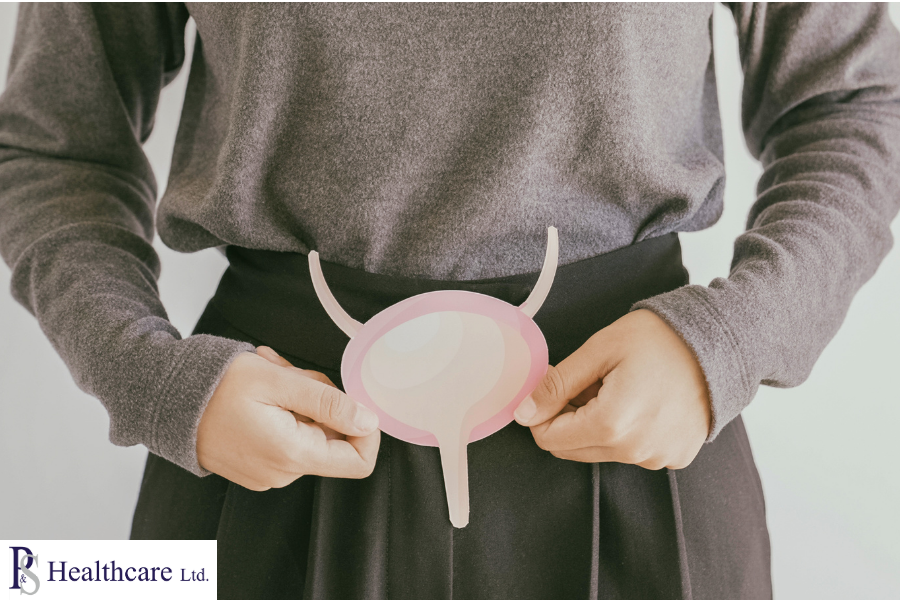
 Bladder leaks, or urinary incontinence, are a common challenge that can affect people of all ages. Whether caused by aging, childbirth, or certain medical conditions, it can be an uncomfortable and sometimes embarrassing issue. However, the good news is that there are simple, practical ways to manage and even reduce bladder leaks. In this article, we’ll explore ten effective strategies that can help you regain control and confidence, allowing you to live without the constant worry of leaks disrupting your daily life.
 Website by Cerebral Agency Ltd